Three animal health instruments published today reshape disease control maps for parasites, aquatic infections and poultry
Commission Implementing Regulation (EU) 2026/766 integrates the EU’s Echinococcus multilocularis disease-free list into the main animal health status framework under Implementing Regulation (EU) 2021/620, replacing the separate 2018 instrument. Echinococcus multilocularis is a tapeworm carried by wildlife, which dogs can transmit it to humans, causing serious liver disease. The new Annex XIX formally recognises Malta, Finland, Ireland, and Northern Ireland as disease-free territories. The same Regulation corrects an earlier error that wrongly stripped several Polish regions of their bluetongue disease-free status. Those regions still meet the criteria and their status is restored. The Echinococcus changes apply from 22 April 2026.
Commission Implementing Decision (EU) 2026/837 updates the EU lists of Danish aquaculture compartments free from renibacteriosis and infectious pancreatic necrosis, two diseases that affect salmonid fish and trigger trade restrictions. Three compartments lose disease-free status following Danish notifications. One compartment, Lundby Dambrug, completes its eradication programme and moves onto the disease-free list. A further compartment, Refsgård Fiskeri I, joins the eradication programme list for renibacteriosis. The Decision enters into force on 6 May 2026.
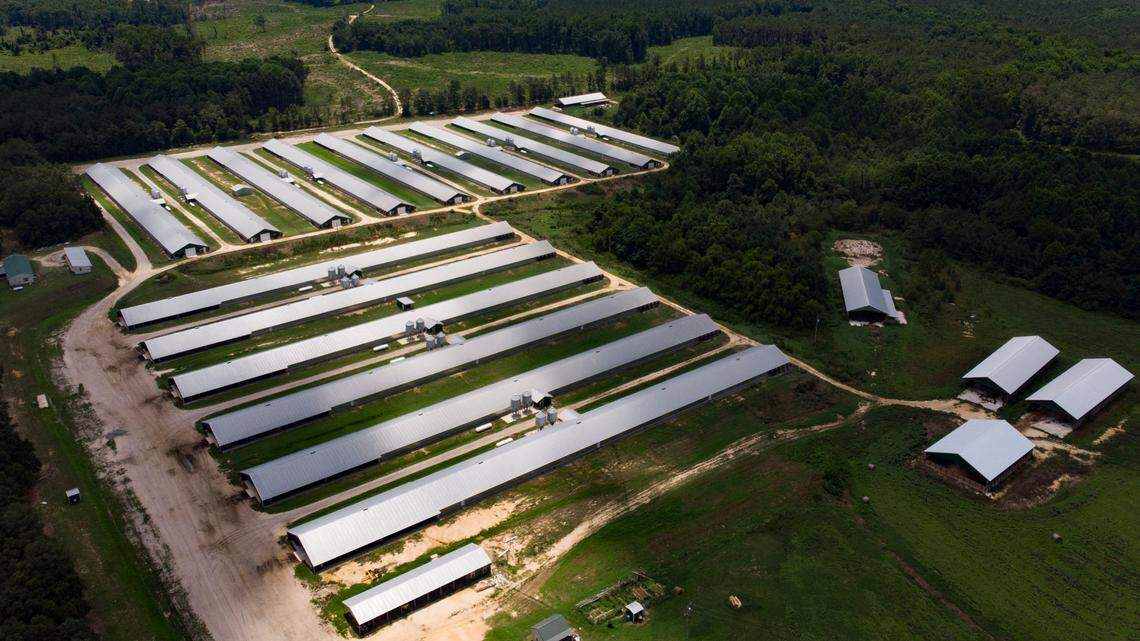
Commission Implementing Decision (EU) 2026/862 responds to six new Newcastle disease outbreaks in Poland confirmed since the last update on 8 April 2026. Newcastle disease is a highly contagious viral infection with no approved treatment, containment depends entirely on movement controls and culling. The Commission establishes new protection and surveillance zones across four regions: Lubusz, Łódź, Mazovia, and Greater Poland. A cross-border surveillance zone also covers Polish territory adjacent to a confirmed German outbreak near the Polish-German border. Zone deadlines run from late April to early May 2026. The Decision entered into force immediately upon publication.
Operators affected by these measures include poultry farmers, hatcheries, live bird and fish traders, transporters, and competent authorities in the relevant regions. Third countries maintaining import conditions tied to EU disease-free zone status should also note the updated boundaries. All three acts operate under the Animal Health Law framework established by Regulation (EU) 2016/429.
