
A broad update to the EU’s plant health framework adds new invasive pests to the quarantine list, strips France and Ireland of protected zone status for fire blight, and introduces new import conditions for a bacterium found spreading through ginger and turmeric supply chains
April 15th, 2026 — The Commission has published Implementing Regulation (EU) 2026/826, amending the EU’s core plant health rules to reflect updated scientific assessments and newly detected threats. Most substantive changes apply from 15 October 2026.
Three new organisms join the EU quarantine pest list. Agrilus bilineatus, a wood-boring beetle, now triggers new import conditions for oak and chestnut wood and plants from Canada, the US, and Turkey. Gymnandrosoma aurantianum, a South American moth whose larvae attack citrus and macadamia fruits, brings new certification requirements for citrus imports from Latin America. Naupactus xanthographus, a South American weevil, does the same for a range of host plants from Argentina, Brazil, Chile, Paraguay, and Uruguay. Nine fruit fly species are removed from the list following reassessment.
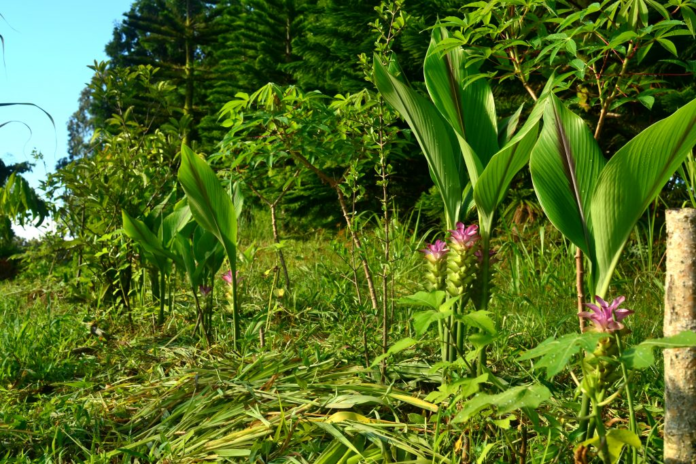
The regulation also responds to a quietly spreading problem in food supply chains. Ralstonia pseudosolanacearum, a bacterium that causes wilting disease, has been detected in outbreaks in Hungary and the Netherlands, including in nurseries growing ginger. It moves from the list of pests absent in the EU to those known to be present, and new import requirements now apply to both ginger and turmeric, covering planting material and fresh rhizomes, requiring exporters to show pest-free origin or pre-export molecular testing.
On fire blight (Erwinia amylovora), France and Ireland have asked to be removed from the EU’s protected zone system entirely, acknowledging the disease is now present in their territories. Parts of Italy, including Liguria, the Aosta Valley, and several municipalities in Lombardy and Tuscany, also lose protected zone status at Italy’s own request.
Finally, Kazakhstan joins the countries subject to import restrictions on ash wood following new emerald ash borer outbreaks near its Russian border, and grapevine planting material produced in physically isolated facilities gains a new route to compliance for movement within the EU.
