
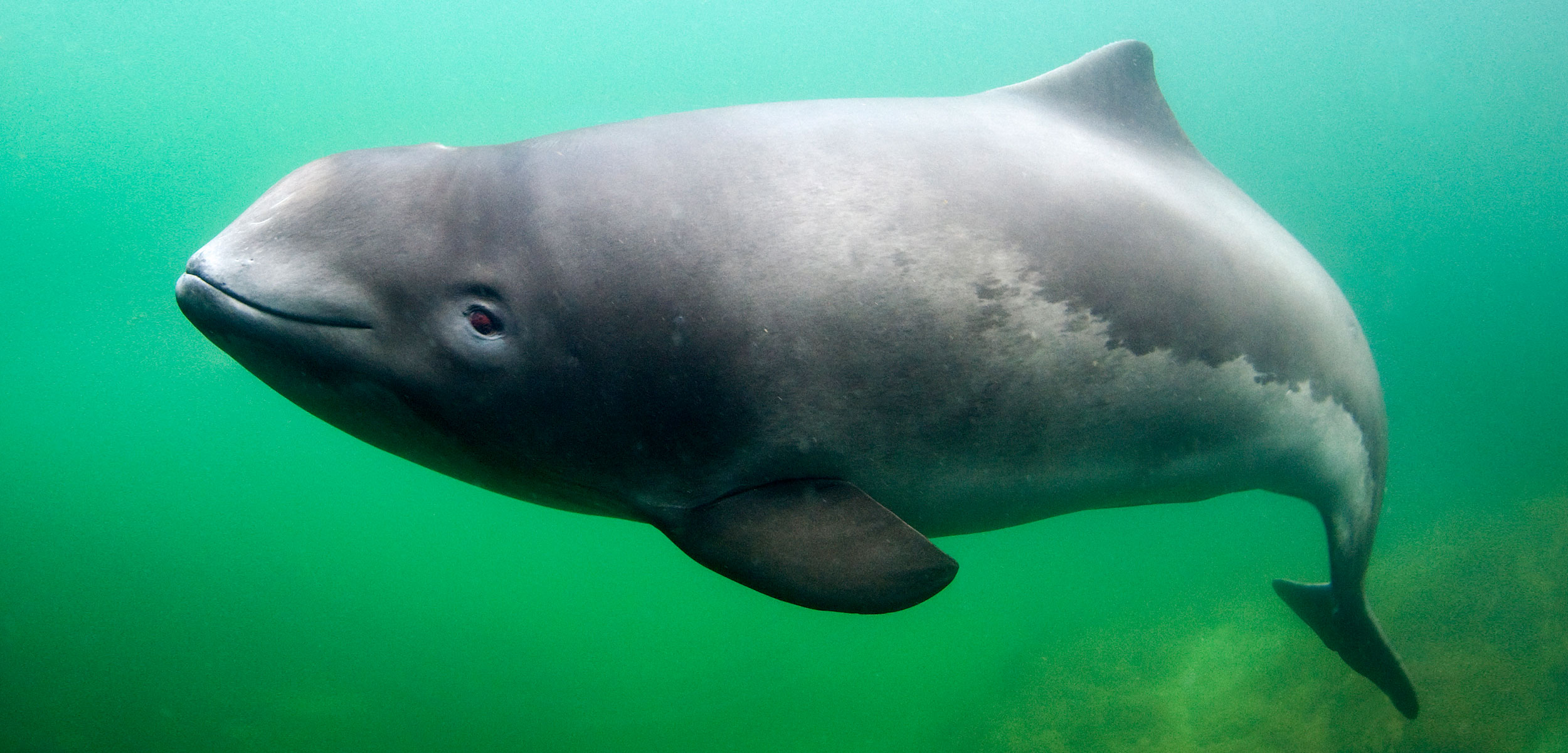
Fishing vessels must now use acoustic deterrent devices or stay out, as Baltic states agree on new conservation measures for a protected area off the Swedish coast
January 9th, 2026 – The new Delegated Regulation drafted by the EU Commission amends the Delegated Regulation (EU) 2017/117, which establishes fisheries conservation measures for protected marine areas in the Baltic Sea. The amendment introduces new restrictions applicable to the Natura 2000 site Havet kring Ven, a marine protected area in the Baltic Sea off the Swedish coast between Sweden and Denmark, designating it as a new “Zone 3” under the existing framework.
The core measure prohibits fishing with fixed nets, that being, gill nets, trammel nets, and similar static gear, within Zone 3 unless acoustic deterrent devices (also known as pingers) are used simultaneously. This prohibition applies to both commercial and recreational fishing. All vessels fishing in Zone 3 are also required to operate an Automatic Identification System (AIS) continuously, with data made available to national fisheries control authorities for cross-checking against other monitoring data.
Member States whose vessels are affected (mainly Sweden, Denmark, and other Baltic states part of the BALTFISH group) are required to review bycatch data annually and complete an evaluation by December 31st, 2026. That evaluation will determine whether the measures need to be adjusted based on observed bycatch rates and updated scientific evidence on the effectiveness of acoustic deterrents.
The Regulation also corrects several errors in the existing 2017/117 text and adds a formal definition of “fixed nets” to its definitions article, referencing the technical classification in Regulation (EU) 2019/1241 on technical conservation measures.
Author’s notes:
The harbor propoise population in the Belt Sea, a narrow water between Denmark and Sweden where Havet kring Ven is located, is one of the most critically threatened cetacean populations in European waters, with accidental bycatch in fixed fishing gear being a primary driver of mortality. The Scientific, Technical and Economic Committe for Fisheries (STECF), which reviewed the proposed measure, concluded that while acoustic deterrents can reduce bycatch risk, a complete prohibition on fixed net fishing would be more effective.
The adopted measure stops short of a full ban, but requires deterrent use with a mandatory 2026 review that could result in stricter restrictions if bycatch data warrants it. The inclusion of recreational fishing within the scope of the prohibition is notable, reflecting even the impact of non-commercial gear on protected species.
