
A parliamentary resolution triggered by French outrage over child-like sex dolls sold online calls for platform suspensions, customs reform, and a coordinated EU crackdown on marketplace illegality.
In October 2025, a controversy erupted in France when it emerged that SHEIN, the Chinese fast-fashion and general marketplace platform, was offering for sale items that a French parliamentary committee characterised as child-like sex dolls. The French public prosecutor opened a preliminary investigation into SHEIN as well as Temu, AliExpress, and Wish on grounds including complicity in the diffusion of child pornography. The scandal became the immediate trigger for a European Parliament resolution adopted on 27 November 2025 that had been in preparation for months.
The resolution, published in the Official Journal on 24 April 2026 as C/2026/1710, is Parliament’s most comprehensive statement to date on the failures of the existing regulatory framework as applied to large third-country e-commerce platforms. It is not limited to the child doll scandal, but is rather framed as a broader critique of how the Digital Services Act, customs rules, and product safety legislation interact or fail to interact, with the realities of high-volume low-cost cross-border retail.
The DSA Enforcement Gap
Parliament’s core argument is that the Digital Services Act already contains the tools needed to address the problem, but enforcement has been too slow and too timid. The DSA classifies platforms with more than 45 million EU users as Very Large Online Platforms (VLOPs), requiring enhanced risk assessment, crisis response mechanisms, and regulatory audit access. SHEIN was designated a VLOP in October 2023, followed by Temu. Parliament notes that despite these designations, enforcement actions by the Commission and national Digital Services Coordinators have proceeded at a pace that has allowed systematic illegal product availability to continue.
The resolution calls on the Commission to make full use of Article 52 DSA, which empowers it to order temporary restrictions or suspension of VLOP services that fail to comply with their obligations after a formal finding of non-compliance. Parliament frames temporary suspension as a proportionate measure in cases of persistent, systematic availability of illegal products, including items posing imminent risks to child safety. This is a notable escalation from the Commission’s current approach of issuing requests for information and conducting formal proceedings over multi-year timelines.
The €150 Exemption as a Market Distortion
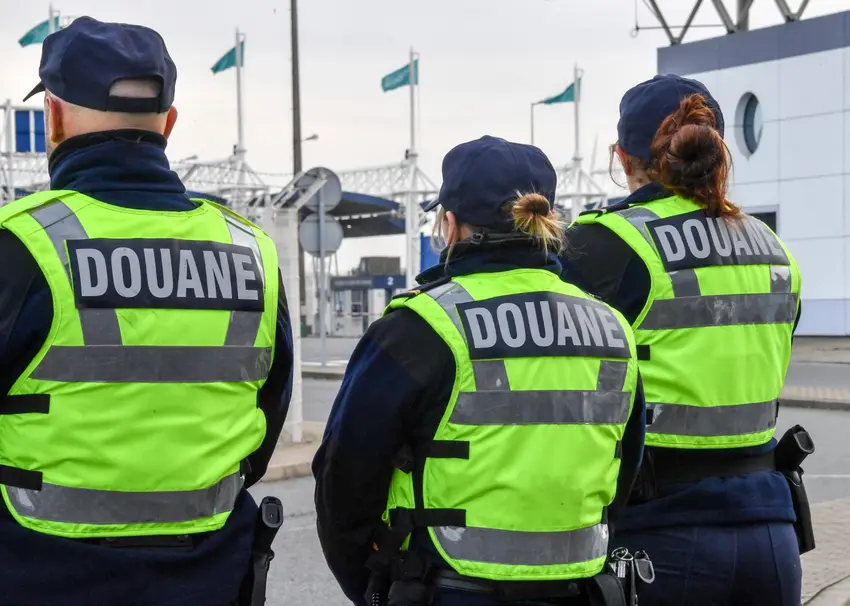
A second pillar of the resolution addresses the customs architecture that enables the volume economics of low-cost third-country platforms. The so-called de minimis threshold, currently €150 under EU customs law, exempts consignments of that value or below from customs duties. SHEIN and Temu’s business models are built around this exemption: virtually all individual orders fall below the threshold, meaning that the platforms can deliver at near-zero tariff cost compared to EU-established retailers who pay VAT and duty on their supply chains.
Parliament calls for the elimination of the €150 customs duty exemption for direct-to-consumer e-commerce shipments, and for the introduction of a harmonised processing fee applicable to all commercial e-commerce imports. The reform would require amending the Union Customs Code; the Commission has indicated such reform is under consideration as part of the broader customs union modernisation agenda, but no legislative proposal had been tabled as of the resolution’s adoption.
