
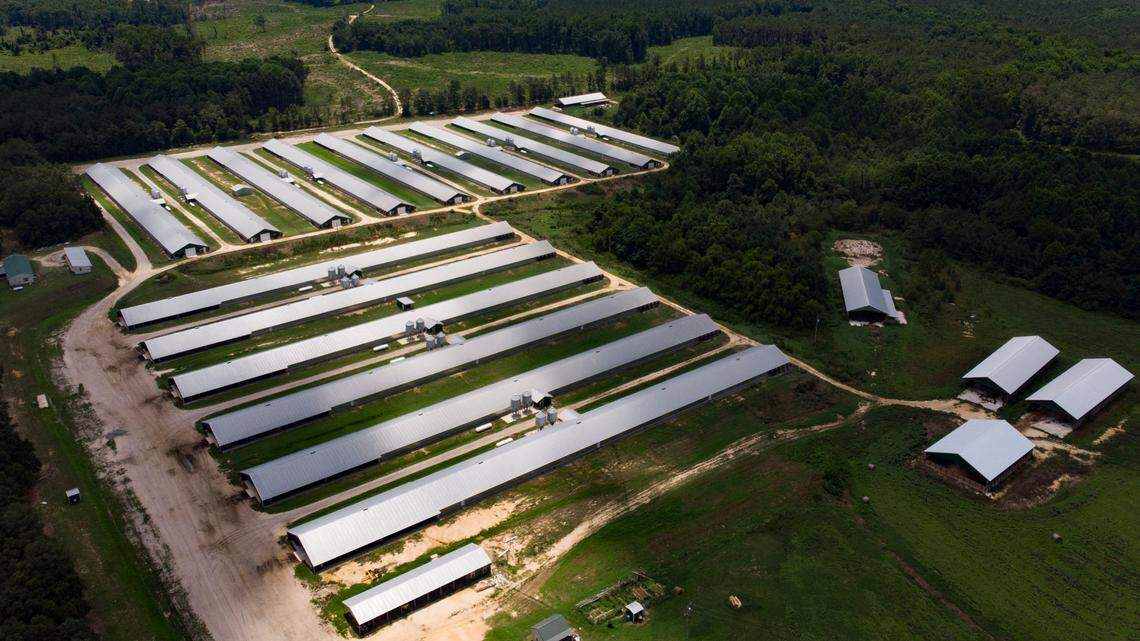
The European Commission has extended and revised highly pathogenic avian influenza protection and surveillance zones across eight Member States, responding to fresh outbreaks confirmed in Danish and Polish poultry holdings.
The European Commission has, for the second time this month, amended the ongoing list of highly pathogenic avian influenza (HPAI) restriction zones, established under Implementing Decision (EU) 2023/2447, through the Implementing Decision (EU) 2026/896, published today. The update reflects that the Bird Flu outbreak continues to spread, with newly confirmed outbreaks in Denmark and Poland and revises the geographic boundaries of protection and surveillance zones across eight Member States: Bulgaria, Czechia, Denmark, Germany, France, Italy, the Netherlands, and Poland. The measure follows standard EU animal health emergency protocols under Regulation (EU) 2016/429.
Denmark reported a new outbreak at a poultry holding near Guldborgsund, so the protection zone around that holding will remain in place until 7 May 2026, and the surrounding surveillance zone shall extend until 16 May 2026. Within a protection zone, movement of poultry, hatching eggs, and certain other goods faces strict controls, and affected holdings must apply biosecurity measures that the competent national authority supervises directly.
Poland reported 10 new outbreaks distributed across three voivodeships: Mazowieckie, Warminska-Mazurskie, and Wielkopolskie. These are among Poland’s most important poultry-producing regions, and the geographic spread across three distinct administrative areas signals continued virus circulation rather than a single localised event. Each outbreak triggers the establishment of separate protection and surveillance zones centred on the confirmed holding, with movement restrictions applying to live animals, fresh poultry meat, and hatching eggs produced within those zones.
HPAI H5N1 and related strains continue to circulate in wild bird populations across Europe, creating persistent pressure on commercial poultry holdings even when strict biosecurity is in place. The EU’s response mechanism relies on rapid zoning around confirmed outbreaks to limit the risk of spread within and between Member States, rather than attempting nationwide bans that would disproportionately disrupt trade. This zoning approach underpins the EU’s international trade credentials, allowing exports from unaffected regions to continue even when outbreaks occur elsewhere in the same country.
The Commission updates the restriction zone lists regularly as new outbreaks are confirmed and existing zones expire. Operators in the affected regions must follow instructions from national competent authorities, which implement the zones locally and can impose additional measures beyond the EU minimum. Poultry farmers outside the current restriction zones should maintain heightened biosecurity in light of the ongoing wild bird reservoir, including limiting outdoor access for flocks and controlling the entry of equipment and vehicles that could carry contaminated material.
