The new Delegated Regulation would allow eight new categories of animal-derived materials, from meat-and-bone meal to insect frass, to be used as ingredients in CE-marked EU fertilisers for the first time
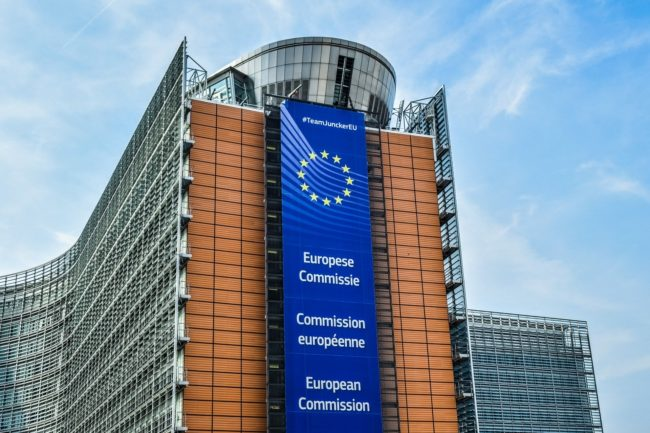
April 13th, 2026 – The European Commission has published a draft Delegated Regulation amending Regulation (EU) 2019/1009, the EU’s main framework for fertilisers, and opened it for public feedback until 11 May 2026. The proposal would significantly expand the list of animal-derived materials that manufacturers are permitted to incorporate into CE-marked EU fertilising products, those that carry the EU mark and can circulate freely across the internal market.
Under the current rules, only processed manure is listed in Component Material Category 10 (CMC 10) of the regulation, the dedicated category for derived products within the meaning of the Animal By-Products Regulation. The draft would add eight further materials: processed frass (insect excrement, a by-product of insect farming), glycerine from category 2 and 3 animal materials, processed animal protein, meat-and-bone meal, blood products, hydrolysed protein (including from leather and textile industry residues), dicalcium and tricalcium phosphate, and horns, hooves and their derivative products.
All of these materials have already had their end point in the manufacturing chain determined under a 2023 delegated regulation, meaning they have been processed to a point where they are no longer subject to veterinary controls, and the Commission’s assessment found they meet the safety and agronomic requirements for inclusion.
Each material comes with specific handling and safety conditions. Derived products must be incorporated into fertilisers within 36 months of reaching their manufacturing end point. Storage must protect against moisture and direct sunlight. Additives used in further processing are capped at 5% of total input weight. Glycerine must contain no more than 0.5% methano, which is a residue from biodiesel production that lowers flash point and increases flammability. Hydrolysed proteins, which can contain chromium from leather processing, are subject to a 400 mg/kg dry matter limit for total chromium in the finished fertilising product. Thermochemical conversion processes such as pyrolysis or hydrothermal carbonisation are explicitly excluded, as those transformation methods fall under separate categories.
Processed frass receives the most detailed treatment in the draft, also triggering new labelling obligations in Annex III. Fertilising products containing it must carry a warning about potential allergic reactions from insect proteins, information about ammonia emissions from soil degradation, and, whenever the selenium content exceeds 10 mg/kg dry matter, a declaration of that selenium level, given its toxicity at high concentrations depending on the insect species involved.
The feedback period runs from 13 April to 11 May 2026 (midnight Brussels time). Responses can be submitted via the Commission’s Have Your Say portal and will be published. The act is a delegated regulation, meaning it does not require co-decision by Parliament and Council, but comments received can still influence the final text before formal adoption.
