
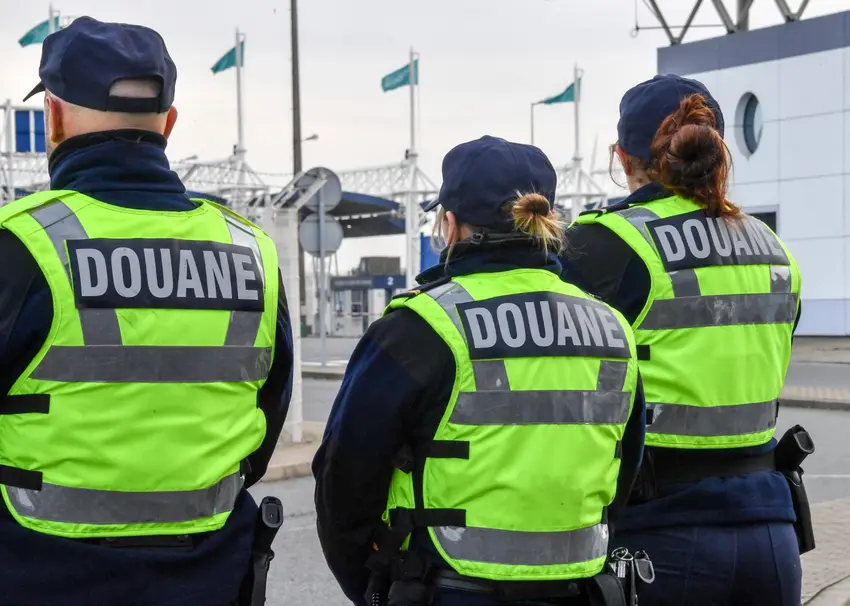
With the 2020-2025 plan drawing to a close, the Commission is shaping its plan for the next five years and requests views from the public to perfect it
The European Commission is preparing a new EU action plan on firearms trafficking to cover the period 2026 to 2030, and is inviting public and private stakeholders from inside and outside the EU to share views via the Have Your Say portal before the plan is finalised. This is a Call for Evidence on a non-legislative initiative, whose output will be a Commission Communication setting strategic and operational priorities, not a binding regulation or directive. No impact assessment is required, and the Call for Evidence is the primary open input mechanism.
The plan will define how the EU coordinates its efforts on firearms misuse and trafficking for the next five years, covering legislation, operations, funding, and international cooperation. Input submitted now will directly inform what priorities and measures the plan contains.
The consultation is addressed broadly, inviting EU agencies including Europol, Frontex, Eurojust, and CEPOL; but also member state law enforcement authorities; and the EMPACT and European Firearms Experts communities.
Beyond the EU, the initiative also seeks te input of stakeholders in the western Balkans, Ukraine, Moldova, the MENA region, Türkiye, and Latin America are explicitly identified as relevant voices. Civil society organisations, international organisations, the private sector, and all EU citizens may also respond.
